Rui Faria

UX/UI & Web Designer

Onboarding that operators actually remember

Problem

Desigo CC onboarding sessions ran two to three hours. Operators were fatigued before sessions ended and retaining very little of what they'd been shown.

Approach

Identify which features appear in day-to-day operator workflows, rebuild onboarding around those, and redirect niche functionality to documentation.
70%

Decrease on average
Onboarding duration

60%

Decrease on average
post-session calls

30+

Deployments
continuously iterated

Desigo CC is feature-rich by design.
That depth is a strength for experienced operators and a significant barrier for new ones.

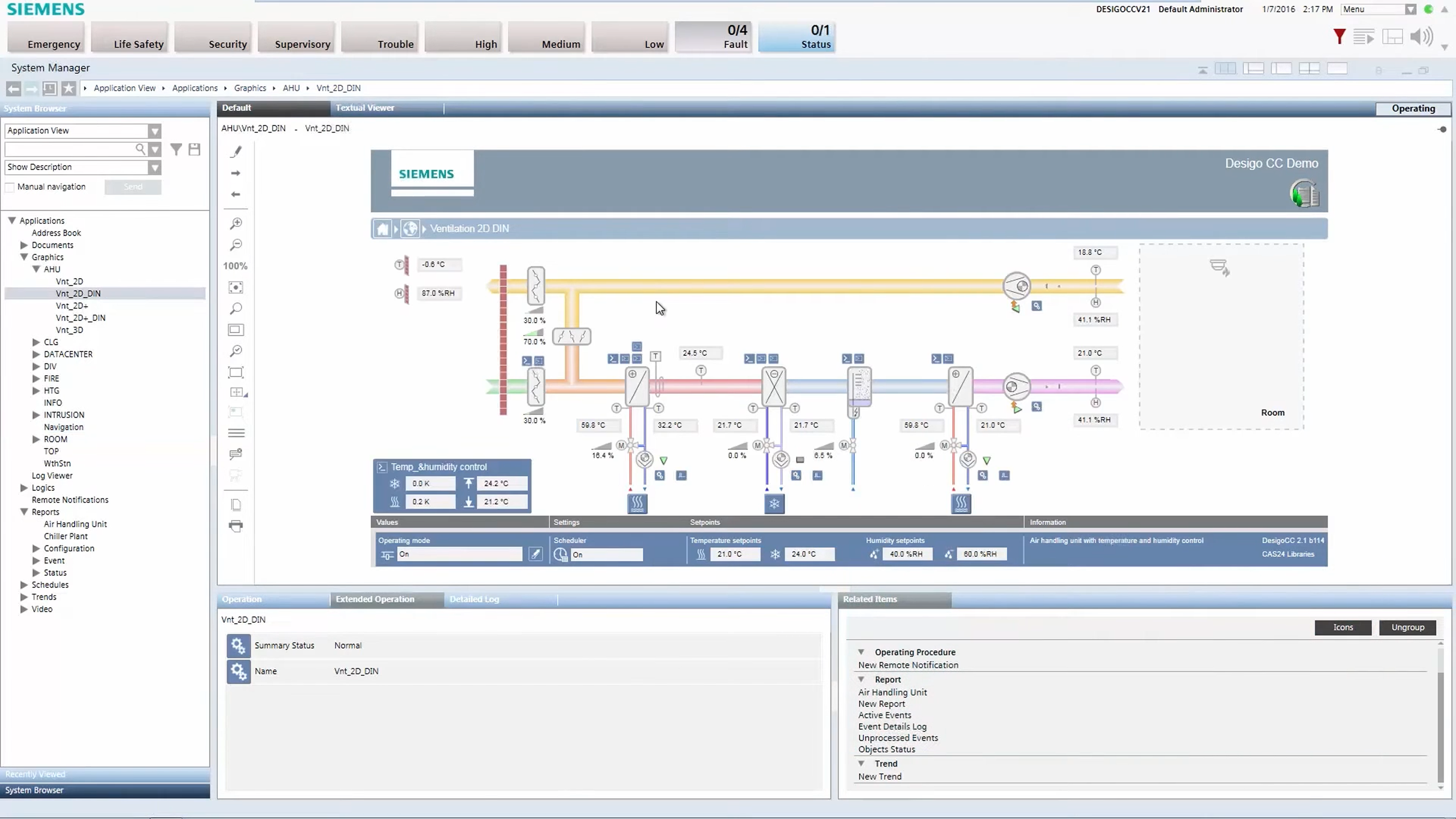
Desigo CC is Siemens answer to Building Management Systems. A complex software to handle everything from HVAC, Fire and Safety and building automation. This means that onboarding and teaching clients on what the software does and what can it do becomes a huge task.
Onboarding had evolved to cover everything the platform could do. Three hours of instruction with no consideration for what operators would actually use in practice. Completeness had become the default, and nobody had questioned whether it was working.

01. Observe

Shadow before proposing

Before jumping to reworking the whole onboarding, its important to understand how and why onboarding is done. Attending client onboarding sessions revealed the real problem. Three hours in, operators were visibly fatigued. The session covered every feature regardless of how often it would appear in a real workflow.

A beige living room corner faded background and a koi fish logo in the forefront
Powermanager
Trends
Flex Client
Event Management
Scheduling
User configs
Navigation
Detailed view
Setpoints
Reports
Scripting
Engineer mode

02. Analyse

Map features against actual usage

I mapped Desigo CC features against typical operator workflows, how likely is this feature to appear in a general working day? I answered this via insights from other clients through operator observation, interviews and frequently asked questions on support calls. The gap was significant. The majority of onboarding time was spent on features operators would rarely encounter in practice.

03. Redesign

Rebuild around frequency, not completeness

Onboarding was restructured around the highest-usage features. Edge cases and niche functionalities were redirected to documentation, available when needed, not forced into the session. The result was a focused onboarding that reinforced what operators would actually use, through repetition rather than coverage.

Powermanager
Trends
Flex Client
Event Management
Scheduling
User configs
Navigation
Detailed view
Setpoints
Reports
Scripting
Engineer mode
A beige living room corner faded background and a koi fish logo in the forefront

04. Validate

Apply and measure across client sessions

The revised approach was applied to subsequent client sessions. Duration, post-session query volume, and operator confidence in independent navigation were tracked across implementations to verify the changes were producing the expected outcome.

70%

Decrease on average
Onboarding duration

60%

Decrease on average
post-session calls

30+

Deployments
continuously iterated
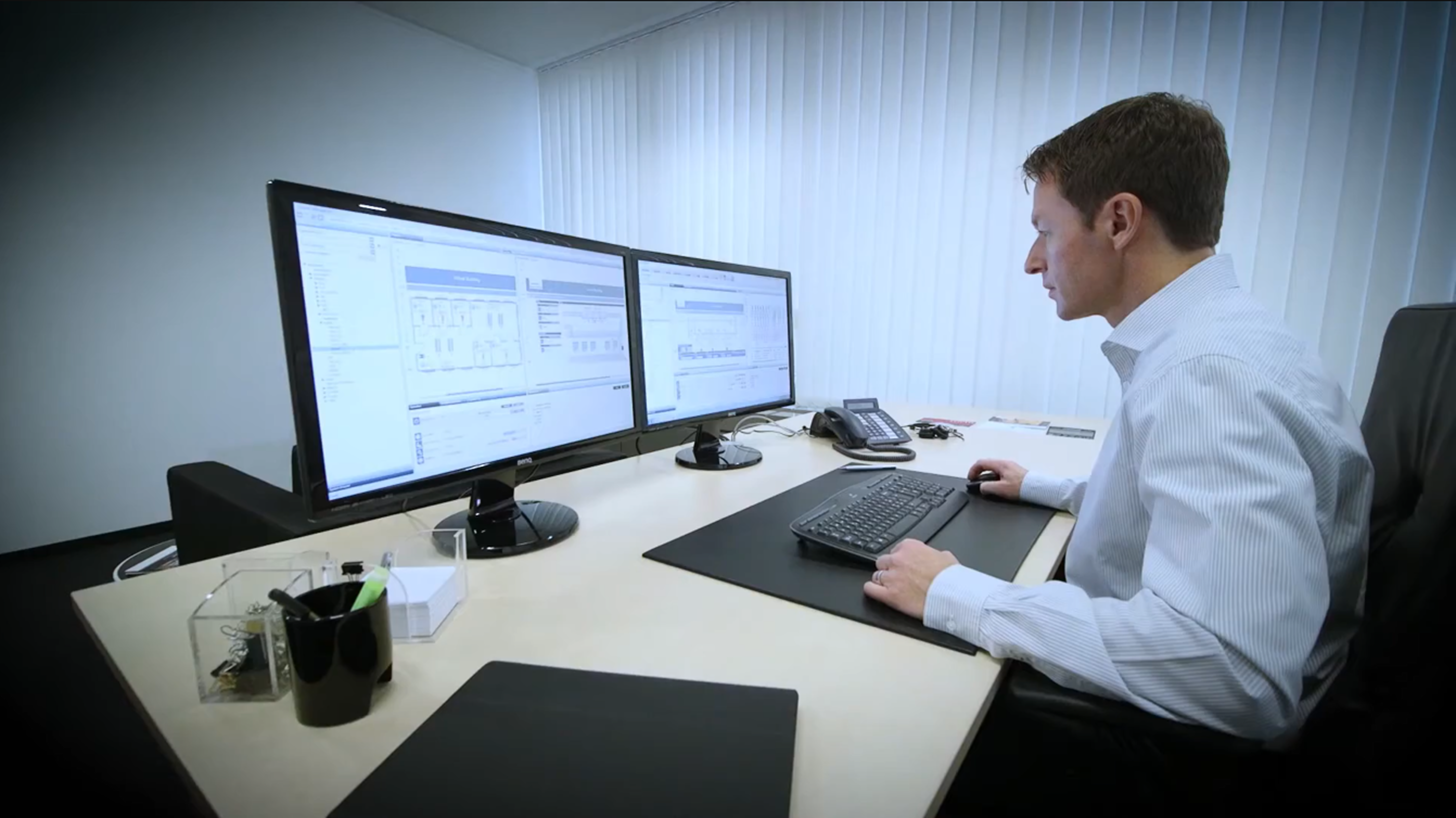
Often times, less is more.

The key lesson is about the assumption that more instruction equals more learning. In complex software, the opposite is often true. Why spend 3 hours or more on explaining 100% of the software as a formality? Why not instead cater to the end User? Given the same problem today, I'd instrument a better way to measure usage data earlier rather than inferring it through observation alone. Overall, this approach proved useful and was deployments on subsequent clients. Totalling 30+ deployments and a iterative onboarding process.